How to Connect Two Rain Barrels Side by Side
To connect two rain barrels, fit a compatible hose between them, using a low connection to share water or an overflow link to send excess water to the second barrel. Measure the gap and check the fittings before drilling.
On this page (7 sections)
- How do you connect two rain barrels side by side?
- How to connect two rain barrels: should the hose go low or high?
- Which rain barrel linking kit fits your setup?
- How do you fit the hose and prevent leaks?
- What support and overflow plan do connected barrels need?
- What mistakes should you avoid when linking barrels?
- Which connection should you choose?
To connect two rain barrels, fit a compatible hose between the barrels. A low link lets water move between them as levels change; an overflow link sends excess water from one barrel into the next.
Measure the gap and decide where the hose will sit before you buy or drill. Kits differ in hose length, fitting style, and the size of hole they need.
How do you connect two rain barrels side by side?
Install compatible fittings on both barrels, then join them with the hose. Set the barrels on stable, level supports and leave room to reach the connections for inspection.
- Decide whether you want a low link to share water or an upper link to carry overflow.
- Measure the space between the barrels and check the hose length and fitting threads.
- Confirm the required hole size and that the fittings suit the barrel wall thickness.
- Mark the connection points, then drill and install the fittings as directed by the kit instructions.
- Seat the washers flat and attach the hose without twisting or kinking it.
- Add water gradually and inspect the connections for leaks.
- Check that excess water has a safe route away from the house.
Don't drill until you know where the fittings will sit and how the hose will reach. A hole in the wrong place can leave the hose too short or make a connection difficult to inspect.
For a downspout-fed system, decide where the first barrel will sit before connecting the pair. How to install a rain barrel on a downspout covers the placement and inlet setup.
How to connect two rain barrels: should the hose go low or high?
Use a low connection to let water pass between barrels, or an upper connection to carry overflow. The right position depends on whether you want to share stored water or catch excess from the first barrel.
A low hose links the water levels in the two barrels. Keep the barrels at similar heights, and make sure the hose stays clear and does not sag, kink, or get pinched.
An upper link lets the first barrel fill before water moves into the second. The result depends on where the overflow openings sit and how each barrel is designed, so check that the route remains open when both barrels are nearly full.
Plan the overflow path as part of the connection. Where a rain barrel overflow should go explains how to route extra water away from places where it could collect or cause damage.
Which rain barrel linking kit fits your setup?
Choose a kit by barrel compatibility, hose reach, fitting size, and the connection you want. Check hole diameter and wall thickness before buying; a short hose or mismatched fitting can make installation difficult.
The RAINPAL RBL020 has two brass bulkhead fittings and a hose with female garden hose connectors. Its overall hose length is 9 inches, so it suits barrels that sit close together.
The fittings need a 27 mm to 1 1/8 inch hole and fit walls up to 10 mm thick. This is an irrigation kit, not for potable water, and it is not lead-free compliant.
Skip it if your barrels need a longer hose, their walls exceed that thickness, or you need fittings for drinking-water use.
The WADEO kit includes two 13 inch hoses, brass bulkhead fittings, and a quarter-turn ball valve spigot. The bulkhead fitting fits walls up to 0.78 inch thick, and it can be mounted from the front or back.
It calls for a 1 inch hole saw. Choose it if you want the included spigot as well as linking parts; skip it if you only need a short connection or your barrels have incompatible fittings.
The kit is for irrigation, not potable water, and is not lead-free compliant.
The RAINPAL Stainless Linking Kit includes two SS304 bulkhead fittings and a corrugated hose that expands from 5 inches to 7.5 inches. It can be installed with the barrels together or about 8 inches apart.
This kit needs a 1 1/16 inch hole. You can start with a 1 inch hole and enlarge it with a file.
Choose it when your barrels are close enough for its short hose; skip it if the gap is wider or the fitting size does not suit your barrels.
The RTS Home Accents kit connects two or more rain barrels through the overflow valve. It includes a 12 inch piece of 1 inch clear hose and two clips, and is intended for RTS Rain Barrels.
Choose it for a compatible RTS overflow setup. Skip it if your barrels use different openings or you need a lower connection to move water between them.
Check the connection points before buying, since the hose and clips are meant to work with RTS Rain Barrels.
How do you fit the hose and prevent leaks?
Use the correct hole size, fit the washers flat, and tighten the bulkhead fittings carefully. A clean hole and a properly seated washer help the fitting seal against the barrel wall.
Check the kit's hole and wall-thickness requirements before drilling. Keep the connection point accessible, and remove plastic shavings from the hole so they don't interfere with the washer.
Install the washer in the position shown in the kit instructions. Avoid overtightening: too much force can distort a washer or damage a plastic barrel wall.
For the WADEO kit, follow its instructions for mounting the fitting from the front or back.
Once the hose is attached, add water in stages and look closely at both sides of each fitting. If a connection drips, lower the water below the fitting, check the washer position, and reinstall it according to the instructions.
What support and overflow plan do connected barrels need?
Both barrels need stable support, and the hose should not carry their weight. Use firm, level ground and supports suitable for full barrels, with the connection positioned so it is not stretched or pressed against a wall.
Leave enough space around the fittings to inspect them and remove the hose if needed. A sagging hose can collect debris or get pinched, while barrels at different heights may affect how water moves through a low link.
Before the first rain, add water and watch it move through the connection. Check that the hose is clear, any valve is open when needed, and excess water leaves the system where you intend.
Keep the overflow route away from the foundation and walkways.
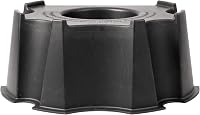
Read whether a rain barrel needs to be raised before choosing a base, and compare rain barrel stands for 50-gallon barrels if you need a purpose-built support. A stand must suit the filled barrel's weight and leave the linked barrels stable.
What mistakes should you avoid when linking barrels?
Measure, check compatibility, and plan overflow before you drill. Most avoidable problems start with a hose that cannot reach, fittings that do not match, or a connection placed where you cannot service it.
Common mistakes include:
- Choosing by hose length alone. Check connector threads, fitting type, hole size, and barrel wall thickness too.
- Drilling before placing the barrels. Set the barrels in their final positions and mark where the hose can reach without strain.
- Treating every kit as universal. The RTS kit is intended for RTS barrels, and other kits also have specific fitting and hole requirements.
- Using an irrigation kit for drinking water. The RAINPAL brass and WADEO kits are not lead-free compliant and are not for potable water.
- Forgetting what happens when both barrels fill. Make sure extra water has a clear route away from the house.
- Leaving fittings hard to reach. You need to inspect washers and connections if a leak appears.
If leaves or other debris are a concern, learn whether a rain barrel needs a filter before settling on an inlet and maintenance routine.
Which connection should you choose?
Choose the kit that matches your barrels and the job the link needs to do. For water to move between close side-by-side barrels, compare the RAINPAL RBL020's 9 inch hose with the RAINPAL Stainless kit's expandable 5 to 7.5 inch hose.
Choose the WADEO kit if you also want its spigot and two 13 inch hoses, or the RTS kit for compatible RTS barrels connected through their overflow valves.
Before drilling, check the barrel spacing, fitting threads, hole size, wall thickness, and access for future checks. Keep the overflow route clear, and use irrigation kits only for suitable outdoor tasks.
For more planning, see how much water a rain barrel holds before deciding how much storage you need.
Frequently asked questions
Should two rain barrels be connected at the top or bottom?
Use a bottom link when you want water to move between barrels as their levels change. An upper connection can send overflow from a fuller barrel to the next one.
Choose the arrangement that matches your goal, barrel fittings, and overflow plan.
Do two connected rain barrels fill at the same time?
With a clear bottom link, water can move between the barrels and their levels can equalize. With an overflow connection, the first barrel fills before excess water enters the second.
A blocked hose, closed valve, or height difference can affect how water moves.
What size hose do I need to connect rain barrels?
Choose a hose that matches both barrels' fittings, and check its length, inside diameter, and connector threads before drilling. Linking kits vary in hose length, fitting type, and hole size.
Measure the gap between barrels and follow the kit's installation instructions.
Can rain barrel water be used for drinking?
Don't assume rain barrel water is safe to drink. The RAINPAL brass and WADEO kits in this guide are intended for irrigation and are not lead-free compliant.
Use collected water for suitable outdoor tasks and follow local guidance for rainwater use.