Does a Rain Barrel Need to Be Raised?
Do rain barrels need to be raised? No. A ground-level barrel works if you can reach its spigot and collect water comfortably. A stable, compatible stand can leave room for a watering can and help water flow by gravity.
On this page (8 sections)
- Do rain barrels need to be elevated for the spigot?
- How do you choose a safe rain barrel base?
- When does a ground-level rain barrel make sense?
- What if you want a barrel with a built-in stand?
- How high should you raise a rain barrel?
- How do you set up and care for an elevated barrel?
- What mistakes should you avoid when raising a rain barrel?
- Which rain barrel setup should you choose?
Do rain barrels need to be raised? No.
A ground-level barrel works if you can reach its spigot and collect water comfortably.
A compatible, stable stand can leave room for a watering can and help water flow by gravity.
The right setup depends on where the spigot sits, what you plan to fill, and how much room you have. Think about those daily tasks before buying a stand or choosing a barrel with an integrated stand.
Do rain barrels need to be elevated for the spigot?
No, you only need to raise a rain barrel if its current height makes the spigot hard to use. If you can place a watering can under the outlet, or collect water another way, ground level may be enough.
Measure from the ground to the spigot, then compare that height with the container you use. Leave room to slide the container in and out without tipping it or pulling on the spigot.
A raised barrel also needs to remain reachable for lid access, connection checks, and cleaning. If a stand makes those tasks awkward or the barrel feels unstable, a lower setup is the better choice.
Do rain barrels need to be elevated for gravity flow?
A higher outlet can help water flow by gravity, but the gain depends on the height difference. The spigot, hose, and fittings affect how easily water moves, too.
Gravity flow is useful for filling a watering can or watering nearby plants. A raised barrel will not provide the steady force of a pump, especially when water must travel uphill or a long distance.
Keep a hose as direct as practical and avoid kinks. If you need more reach or pressure, compare options in our guide to rain barrel pumps.
How do you choose a safe rain barrel base?
Choose a firm, level base and a support that suits the barrel's shape and full load. Water weighs about 8.3 lb per US gallon, so a 50-gallon barrel contains roughly 415 lb of water before you count the barrel itself.
Check for soft soil, a slope, or ground likely to settle after rain. A barrel that starts level can become unstable if one side of its base sinks.
Set the barrel on the support before filling it, then check for wobble and confirm that the outlet and overflow remain accessible. Follow the barrel and stand makers' setup instructions.
Should you use a stand made for your barrel?
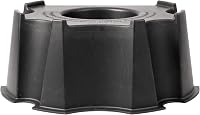
A stand made for your exact barrel is a good choice when you want a defined fit and the right spigot clearance. Compatibility matters: the RTS 55-Gallon Rain Barrel Stand fits the RTS 55-gallon Premium Flat Back Rain Barrel with Removable Lid.
It does not fit the RTS 50-gallon flat-back barrel or barrels from other manufacturers. The stand is made from recycled material and sits flat against a wall.
For another model, check the stand's dimensions and compatibility before buying. Our rain barrel stand guide covers more options and fit considerations.
When does an adjustable stand make sense?
An adjustable stand can suit you if your barrel fits its stated 45-to-100-gallon range and its base matches the platform. Toriexon's stand has a powder-coated steel frame with adjustable length and width.
Its range makes it a candidate for different container sizes, but a gallon range alone does not confirm a secure fit. Compare the base dimensions, follow the maker's setup guidance, and check the loaded barrel for movement.
Skip an adjustable stand if you cannot confirm that the barrel sits securely on it. A dedicated stand for your model may be the simpler choice.
When does a ground-level rain barrel make sense?
Keep the barrel at ground level when the spigot is accessible and you have a simple way to collect the water. This avoids adding a stand and can work well on firm, level ground.
A ground-level setup can also suit people who plan to use a pump or fill a low container. Check that the outlet is not blocked by the ground, a wall, or nearby equipment.
The RTS ECO 50-Gallon Rain Barrel has a flat back for placement near a wall or fence, and its stand is sold separately. That gives you the choice to start at ground level or add a compatible support if you need more clearance.
Measure the site and leave room to reach the spigot and manage overflow. If you are deciding between a DIY and store-bought setup, see how the two rain barrel options compare.
What if you want a barrel with a built-in stand?
A barrel with an integrated raised design suits you if you want one unit and its height and footprint fit your yard. The Step2 Lakewood holds 60 gallons and includes a mesh screen and brass spigot.
Check the assembled dimensions against the available space and the clearance you need under the spigot. Skip this style if you prefer choosing a separate stand or need a different footprint.
If you plan to connect barrels, consider where the overflow will go before installation. Our guide to rain barrel overflow placement explains that part of the setup.
How high should you raise a rain barrel?
Raise the barrel only enough to make the outlet useful, while keeping the full setup stable. Measure your watering can or other container so you know how much clearance you need.
More height can add gravity pressure, but it also puts the heavy barrel higher above the ground. Choose a stand that fits the barrel and place it on a level surface rather than adding extra height with loose materials.
Keep access to the lid, spigot, and overflow in mind. The barrel should sit flat, and hoses or fittings should not pull sideways on the outlet.
How do you set up and care for an elevated barrel?
Assemble the stand as directed, check the fit, and test the connections before filling the barrel fully. Start with firm, level ground and make sure the barrel does not rock on its support.
After the first rain, check the base for settling and inspect the spigot, hose, and overflow for leaks or strain. Recheck after heavy rain or changes to the surrounding soil.
Keep the outlet and overflow clear, and leave room to clean the barrel. For a full downspout setup, follow our rain barrel installation guide.
What mistakes should you avoid when raising a rain barrel?
Avoid using an incompatible stand, an uneven base, or loose objects stacked to gain height. A barrel can hold hundreds of pounds of water, so shifting support can put the barrel and nearby area at risk.
Do not assume a stand fits just because its capacity range includes your barrel. Confirm the base shape and dimensions, and follow both makers' instructions.
Also avoid raising the barrel higher than needed. Excess height can make the spigot harder to reach and the setup less forgiving if the ground settles.
Which rain barrel setup should you choose?
Choose ground level if you can reach the spigot; choose a compatible stand if you need clearance or want gravity to help with nearby watering. Pick an integrated design when you want a single unit and have room for its footprint.
The RTS stand is for its specified RTS 55-gallon barrel. Consider the Toriexon adjustable stand only if your barrel fits its stated range and sits securely on the platform.
For a tight spot, the RTS ECO barrel's flat back can sit near a wall, with a separate stand if needed. Choose the Step2 Lakewood if its integrated raised design and dimensions suit your space.
Before deciding on capacity, see how much water a rain barrel holds.
Frequently asked questions
Do rain barrels need to be raised?
No, a rain barrel can sit at ground level if its spigot is easy to reach and you have a practical way to collect water. A stand can leave room for a watering can and help water flow by gravity.
The barrel and its support still need a firm, level base.
How high should a rain barrel stand be?
Choose a height that leaves room for your watering can under the spigot while keeping the barrel stable and easy to reach. Measure the container first, check compatibility with your barrel, and follow the makers' setup guidance.
A taller stand is not automatically a better fit.
Can I put a full rain barrel on cinder blocks?
Use only a support arrangement that stays level and stable under the full barrel's weight. Loose blocks can shift or tip, so choose a stand made for your barrel or another secure base approved by its maker.
Check that the barrel sits flat and does not wobble before filling it.
Does raising a rain barrel increase water pressure?
A higher barrel can add gravity pressure at the spigot, but the effect depends on the height difference and outlet setup. It will not move water like a powered pump.
If you need to send water farther or uphill, compare options in a rain barrel pump guide.