How to Install a Rain Barrel on a Downspout
For rain barrel installation, match the diverter to your downspout, set the barrel on a firm, level base, and route overflow away from the house. Choose the barrel and fittings around your space, water needs and access for maintenance.
On this page (8 sections)
- What do you need for rain barrel installation?
- How do you choose a barrel and diverter?
- Where should you place the rain barrel?
- How do you prepare and fit the downspout diverter?
- How should you set up the base, spigot and overflow?
- How do you check and care for the installation?
- What rain barrel installation mistakes should you avoid?
- Which rain barrel installation setup should you choose?
For rain barrel installation, match the diverter to your downspout, set the barrel on a firm, level base, and route overflow away from the house. Choose the barrel and fittings around your available space, water needs and access for maintenance.
A good setup catches rain without putting strain on the downspout or creating a puddle by the foundation. Decide where the barrel will sit and where extra water will go before you cut or connect anything.
What do you need for rain barrel installation?
You need a rain barrel, a compatible diverter and hose, a stable base, and a safe overflow route. The tools depend on the diverter and the work required for your downspout.
Measure the downspout, the distance to the barrel, and the available space at the site. Check the diverter instructions for the required tools and installation method before you begin.
The Oatey Mystic fits standard 2 in x 3 in residential downspouts and comes with a 4 ft high-flow hose. The Prestantious diverter is also designed for standard 2 x 3 in downspouts and includes a 4 ft hose.
Pick based on your downspout, barrel position and desired controls. Skip either one if your downspout shape or size doesn't match; measure first and find a compatible diverter.
For more setup ideas, see our guide to rain barrel pumps and diverters.
How do you choose a barrel and diverter?
Choose the barrel for your space and water demand, then choose a diverter that fits your downspout and reaches the inlet. A diverter can only work well if its hose connects comfortably and the barrel has a suitable inlet.
The RTS ECO barrel holds 50 gallons and has a flat back for positioning near a wall or fence. It's a practical fit for a household that wants one storage barrel in a narrow spot and can use that amount of water between rains.
Skip it if you need more storage or don't have a stable location for a full barrel.
Compare the two diverters by the fit and setup you need. The Oatey Mystic is the simpler choice for a standard downspout and a direct hose connection.
Choose the Prestantious if its off, medium and high settings or reversible spout direction are useful; skip it if you don't need those adjustments or your downspout isn't the specified size.
The barrel includes a plastic spigot. The BILAL brass spigot is a replacement option for someone who needs its 3/4 in male garden hose thread and can modify the barrel safely.
Skip it if you don't need a replacement or can't access the container interior to fasten its nut.
Where should you place the rain barrel?
Put the barrel near the downspout on firm, level ground, with the spigot reachable and the overflow pointed toward a suitable drainage area. Leave enough room to inspect the diverter and clean its access points.
Avoid soft ground, a spot that already collects water, or a location where runoff could block a path. A full 50-gallon barrel holds about 417 lb of water before the barrel's weight, so the base must support the full load without sinking or tilting.
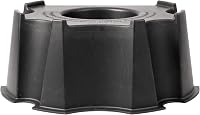
Set the barrel in its final position before connecting the hose. The RTS barrel's optional stand is sold separately; decide whether you need one based on outlet access and your site.
Our guide explains whether a rain barrel needs a stand.
How do you prepare and fit the downspout diverter?
Measure and mark the diverter position according to its instructions, leaving room for the diverter and hose. Check for nearby siding, trim and other obstacles before cutting.
Some diverters require you to remove a section of downspout. The Prestantious instructions describe this approach, while the Oatey Mystic is designed for standard 2 in x 3 in residential downspouts.
Don't assume that matching the nominal size guarantees a fit; compare the shape and measurements first.
If cutting is required, use the tool and safety steps specified for the downspout material. Remove sharp edges and keep the downspout supported as you install the diverter.
Connect the hose between the diverter outlet and the barrel inlet. Leave a relaxed path without sharp bends or tension that could pull a connection loose.
If the hose won't reach comfortably, adjust the barrel position or choose a setup with a suitable connection length.
For the Prestantious diverter, point the spout toward the barrel and use its switch valve to select off, medium or high collection as needed. Follow the model's instructions for setting the valve and fitting the unit.
How should you set up the base, spigot and overflow?
Set the barrel level before filling it, and check that the spigot and overflow remain accessible. Plan the overflow route first so excess water can drain away from the foundation.
Keep the overflow opening clear and direct water toward a suitable area. Avoid routes that cross a walkway, erode soil or send water onto a neighbor's property.
Learn more about where rain barrel overflow should go.
The BILAL spigot has a 3/4 in male garden hose thread and includes thread-seal tape. Its installation requires a hole about 1.01 in in diameter and access inside the container to tighten the nut, so use it only when those conditions match your barrel.
Don't drill into a finished barrel unless its design allows it and you can safely reach the inside to secure the fitting. A poor seal can leak, and an added hole can affect how the barrel holds and drains water.
How do you check and care for the installation?
After setup, check the diverter, hose connections, barrel inlet, spigot, base and overflow route during rain. Look for leaks, movement, water pooling or a blocked opening.
The Prestantious diverter has a removable top cap for clearing leaves. Inspect the diverter and inlet after storms, remove debris when needed, and make sure the overflow stays open.
A screen or cover can help keep debris out if it's compatible with your barrel. Choose and clean it according to the barrel's design; our guide covers whether a rain barrel needs a filter.
If you plan to add a second barrel, decide where its connections and overflow will go before the first barrel fills. See how to connect two rain barrels side by side.
What rain barrel installation mistakes should you avoid?
The main mistakes are cutting before measuring, using an unstable base, stretching the hose, and aiming overflow at the house. Each can leave the system poorly fitted or make water harder to manage.
Don't place the barrel where a full load could sink into soft soil. Don't leave the hose taut or sharply bent, because that can strain its connections.
Keep cleaning access reachable and check the diverter fit against your actual downspout. If a product is designed for a standard 2 x 3 in downspout, don't assume it will fit another shape or size.
Which rain barrel installation setup should you choose?
Choose the RTS ECO barrel if a 50-gallon capacity and flat back suit your yard. Pair it with the Oatey Mystic for a straightforward match to a standard 2 in x 3 in downspout, or choose the Prestantious when its adjustable flow settings and left-or-right spout direction help with your layout.
Use the barrel's included plastic spigot if it works for your watering routine. Choose the BILAL replacement only when you need its hose thread, can make the required opening, and have inside access to secure it.
Before the next rain, confirm the base is level, the hose has a relaxed path, and overflow drains away from the foundation. If one barrel won't meet your storage needs, plan the layout with our guide to connecting two rain barrels.
Frequently asked questions
Do I need to cut my downspout to install a rain barrel?
It depends on the diverter. The Prestantious diverter is installed by cutting out a section of downspout, while the Oatey Mystic is made for standard 2 in x 3 in residential downspouts.
Measure your downspout and check the instructions for your chosen model before marking a cut.
How high should a rain barrel sit?
Set the barrel on a firm, level base that supports it when full, with the outlet high enough to reach a watering can or connect your hose. A 50-gallon barrel contains about 417 lb of water when full, before adding the barrel's weight.
Check whether your barrel needs a stand and follow its setup instructions.
Where should rain barrel overflow go?
Route overflow to a drainage area where water can move away from the foundation without pooling, crossing a walkway or flowing onto a neighbor's property. Keep the overflow opening clear and watch the route during rain.
See our guide to rain barrel overflow for more routing advice.
Can I install a rain barrel without a diverter?
A diverter sends water from the downspout through a hose into the barrel. If you use another way to collect water, the barrel still needs a secure inlet and a way to manage overflow.
Keep openings clear and route excess water away from the foundation.