How to Clean Rain Barrel Water
Keep debris out and let the stored water settle, then filter it at the point of use. A mesh cover, a first-flush diverter, and a basic screen or filter make rain barrel water clear enough for gardens, and they cost less than trying to purify it after it's stored.
On this page (8 sections)
- Why does rain barrel water get dirty?
- How do you keep debris out of a rain barrel?
- What is a first-flush diverter and do you need one?
- How do you filter rain barrel water at the outlet?
- How do you get clear water without pumping?
- How do you empty and clean the barrel itself?
- Can you add a pump to move and filter the water?
- How do you keep stored water cleaner between cleanings?
The cleanest rain barrel water comes from keeping dirt out before it settles, not from treating it afterward. A tight mesh cover, a first-flush diverter, and a filter at the outlet do most of the work, and a settled barrel gives you much clearer water for the garden.
Stored rainwater is fine for plants, lawns, and outdoor washing. It is not drinking water, so everything below is about making it cleaner for those uses, not about making it potable.
Why does rain barrel water get dirty?
Rain barrel water gets dirty because roofs, gutters, and air carry dust, pollen, bird droppings, and leaf bits into the barrel with the first rain. The water then sits warm in the sun, which is ideal for algae.
Most of the grit arrives in the first few minutes of a storm, washing the roof clean. After that, debris falls straight into an open barrel or clogs an uncovered inlet screen.
The barrel itself adds to the problem. Sediment settles at the bottom, and old water left over between storms can turn cloudy if the lid doesn't seal well.
Cleaning the water therefore starts at three points: the roof and gutters, the way water enters the barrel, and the way it leaves. Fix those and you rarely need to treat the barrel itself.
How do you keep debris out of a rain barrel?
Cover the barrel with a fine mesh lid and keep the gutters clear. A cover stops leaves, pollen, and insects from dropping in, and a clean gutter sends less grit down the downspout.
Screen the inlet too, either with a diverter basket or a mesh over the downspout opening. Clean the screen every few months, since a matted screen sheds water and sends it past the barrel.
You can also raise the barrel on a stand and fit a lid that seals around the downspout. That keeps most of the sunlight out, which slows algae growth.
If you're still choosing a barrel and how much it holds, our guide on how much water a rain barrel holds explains the sizing before you set up the cover.
Which cover works for an open barrel?
The Biggun mesh covers suit open barrels and collection buckets that sit out all season. The polyester mesh lets rain through while keeping leaves and small debris out, and a drawstring holds it down in wind.
Each cover measures 99 cm across and fits barrels up to 33.5 in in diameter. Four in the pack cover your barrels plus pots or vegetable baskets you want to keep clean.
Tie the drawstring below the rim so it doesn't slide, and brush off leaves after heavy storms. A covered barrel still needs a first-flush diverter if you want the clearest result.
What is a first-flush diverter and do you need one?
A first-flush diverter is a short section of pipe that catches the first dirty runoff and lets the rest of the rain flow into the barrel. It is the single biggest gain for water clarity, and it is worth fitting.
The first 10 to 20 gallons off a roof carry most of the dust and droppings. A diverter holds that water back, then drains it slowly between storms.
Most kits hang from the downspout and use a floating ball to reset themselves. Fit one above the barrel inlet and check it each season.
Without one, a lid still keeps out leaves, but fine sediment and bird dropping residue reach the water. That is what turns a barrel cloudy a day after rain.
How do you filter rain barrel water at the outlet?
Put a fine screen or filter between the barrel and the hose, so grit is trapped as water leaves rather than after it hits your plants. Clean the screen often during the growing season.
A simple inline filter or a fine mesh bag over the outlet catches most remaining particles. Many people also attach a filter to the rain barrel pump when they move water uphill or across a yard.
For a full look at screen types, first-flush kits, and when a filter is overkill, read our guide on whether you need a rain barrel filter.
Don't rely on the filter alone. It catches what passes through, and the cheapest filter is still the mesh cover that keeps the big pieces out.
How do you get clear water without pumping?
Draw water from above the settled sediment, not from the very bottom. Let the barrel sit still for a day or two, then take water from a spigot set a few inches above the base.
An outlet fitted slightly higher leaves the heavier grit at the bottom, where you can flush it out at the end of the season. That single change makes garden watering much less likely to clog drip lines.
If your spigot sits low or leaks, a quarter-turn brass valve with a bulkhead fitting is a clean upgrade. The BILAL spigot has a 3/4 in male hose thread and a wider 0.55 in outlet than many basic valves.
It needs a hole about 1 in across and access to the inside of the barrel for the nut. A 1-1/4 in saw bit or an adjustable wrench does the job, and thread seal tape comes with it.
Set the spigot a few inches up from the base, seal it, and let a full barrel sit before drawing. The tap change is small, but it keeps sediment out of every watering can and hose.
How do you empty and clean the barrel itself?
Drain the barrel, scrub the walls and floor with a soft brush, rinse, and refill from the next rain. Do this about once a season, or sooner if the water smells or looks cloudy.
Empty the water onto the garden rather than into a drain if local rules allow it. Use plain water and a little mild soap if needed, rinse thoroughly, and skip bleach unless your barrel maker allows it.
Clean the inlet screen, lid, and first-flush unit at the same time. Check the outlet and spigot for algae and clear them with a bottle brush.
If you want a step-by-step method for the barrel and lid, our guide on how to clean a rain barrel covers scrubbing, rinsing, and seasonal storage.
After cleaning, refill and let the water settle before use. A clean barrel stays clearer longer when the cover and diverter are working.
Can you add a pump to move and filter the water?
Yes, a small transfer pump moves stored water to a hose, drip line, or another container, and it makes filtering easier because you can send the water through a screen as it leaves.
A pump suits a yard where the barrel sits low or far from the beds. It also empties the barrel quickly when you want to clean it.
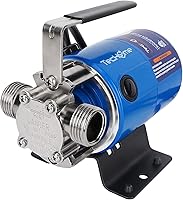
The VIVOSUN 1/10 HP transfer pump moves up to 330 gallons per hour and lifts water to a maximum height of 39 ft on standard 115-volt power. It has an aluminum body, a zinc alloy pump head, and a 6 ft suction hose with a filter.
Fill the pump chamber with water before you start it, as VIVOSUN instructs, then connect the hose and plug it in. Store it dry and inside between uses.
Add an inline filter after the pump if your water is gritty. That keeps the pump, hose, and drip emitters cleaner through the season.
How do you keep stored water cleaner between cleanings?
Keep the lid on, shade the barrel, and use the water regularly so it doesn't sit stale. Small habits between cleanings do a lot of the work.
Shade the barrel with a cover or plant it in a cooler spot, since sun and warmth drive algae. Use the oldest water first and top up with fresh rain.
Check for mosquito larvae in open barrels and close any gaps with fine screen. Standing water with no screen is the classic breeding spot.
Watch the color and smell. Cloudy or smelly water means it's time to drain, clean, and start again with a working screen and diverter.
Add a screen to the downspout, empty the first-flush unit after storms, and scrub the barrel each season. That routine is the whole answer for how to clean rain barrel water without treating it.
If you're planning an upgrade, our guide to rain barrel pumps helps you match a pump to your yard, and the filter guide shows which screen suits your setup.
Frequently asked questions
Can you drink water from a rain barrel?
No. Rain barrel water is not treated and collects whatever the roof, gutters, and air carry, so it isn't safe to drink, cook with, or wash hands in without full treatment.
Use it for gardens, lawns, and outdoor washing only.
Is rain barrel water safe for vegetables?
It's fine for the plants, but keep it off the edible parts you eat raw and wash produce before eating. Water at the soil line rather than over leaves, and stop using it on leafy greens close to harvest if you're unsure about the roof surface.
How often should you clean a rain barrel?
Empty and scrub the barrel about once a season, and check the screen, gutters, and first-flush diverter every few months. Clean sooner if the water smells or turns cloudy, or if you see mosquito larvae or a lot of leaf debris inside.
Why is my rain barrel water cloudy?
Roof dust, pollen, and fine grit pass through most screens and stay suspended until the water settles. A first-flush diverter and a fine filter reduce it, and letting the barrel sit undisturbed for a few days lets most of the cloudiness sink to the bottom.