How to Clean a Rain Barrel
To clean a rain barrel, drain it completely, scrub the inside walls and floor with a soft brush and mild soap, rinse well, and let it dry before you reconnect the downspout. Clean the screen and inlet too, then flush the first water after refilling.
On this page (9 sections)
- Why does a rain barrel need cleaning at all?
- How do you drain a rain barrel before cleaning?
- What supplies do you need for the job?
- How do you scrub the inside of a rain barrel?
- How do you clean the screen, lid, and inlet?
- Should you clean a rain barrel with bleach?
- How do you flush and refill after cleaning?
- How do you keep a rain barrel cleaner between cleanings?
- When is it worth replacing the barrel instead of cleaning it?
Here's how to clean a rain barrel: drain it fully, scrub the inside with a soft brush and mild soap, rinse, and let it dry before you hook it back up. Clean the screen and the inlet while the barrel is empty, then flush the first water after refilling.
Cleaning takes about an hour for most barrels. Doing it twice a year keeps the water clearer, cuts odors, and helps your plants get the most from what you collect.
Why does a rain barrel need cleaning at all?
A rain barrel collects dust, leaves, pollen, and grit along with the rain, and those settle into a film on the walls and floor over time. That film feeds algae and bacteria, which turn the water cloudy and smelly.
Roofs are not clean surfaces. Birds, shingles, and nearby trees all leave material that washes into the barrel with every storm.
A screen stops the big pieces, but fine silt still gets through.
Cleaning removes that buildup before it becomes a problem. It also protects your rain barrel pump, since grit and slime wear out an impeller faster than clean water.
Clean at least twice a year: once in spring before heavy rain and once in fall after leaves drop. A barrel that sits through a hot summer with standing water builds slime faster than one that empties often, so if you use the water regularly, expect to scrub sooner.
How do you drain a rain barrel before cleaning?
Close the diverter or disconnect the downspout first, then open the spigot and let the barrel empty. A pump makes fast work of the last few gallons.
Open the top and check the water level before you start. If the barrel is full, direct the outflow onto a garden bed or lawn so the water goes to use instead of down the drain.
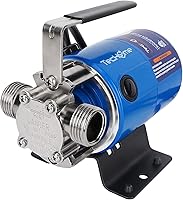
A submersible pump empties a barrel in minutes and can push the water to plants uphill.
That pump weighs 8.5 pounds and carries a 26 ft power cord, so you can set it near the barrel without hunting for an outlet. It has a tethered float switch for automatic starts and stops.
In manual mode it keeps running, so watch the water level and cut the power before it runs dry. Tilt the pump gently before startup to release trapped air, and keep the float clear if you run it automatically.
For a full look at lifting water out of a barrel, see our rain barrel pump guide.
Once the bulk water is gone, tip the barrel or use a sponge to remove what's left at the bottom. A shallow layer at the base holds most of the grit, so scoop it out rather than pushing it around the floor.
What supplies do you need for the job?
Gather a soft brush, a mild soap, a hose, and a sponge before you start. A long-handled brush helps you reach the bottom of a tall barrel.
- A soft-bristle brush or a long-handled scrub brush
- Mild dish soap or castile soap
- A garden hose with a spray nozzle
- A sponge or rag for corners
- White vinegar for a slimy film
- Gloves if the barrel is especially grimy
Skip bleach and harsh cleaners for a barrel you water plants with. A little soap and elbow grease handles most buildup, and vinegar cuts the rest.
If your barrel sits under a downspout, a diverter makes draining simpler.
The Oatey diverter comes with a 4 ft high-flow hose to connect it to the barrel. Its UV-resistant body can be painted to match your house.
The hose reaches from the diverter outlet to the collection container, so you can route water straight into the barrel or send it past when the barrel is full.
How do you scrub the inside of a rain barrel?
Scrub the walls, floor, and the area near the spigot with soapy water and a soft brush. Work from the top down so loosened grime falls to the bottom.
Pay attention to the waterline and the corners. That's where algae and silt collect first, and where a quick rinse usually misses.
Don't use metal scouring pads or abrasive cleaners. They scratch the plastic, and scratches give algae a place to grab on.
Rinse the barrel thoroughly with clean water after scrubbing. Tip it to drain, then repeat the rinse once more so no soap stays behind.
If you spot a thick slimy film, wash that section with a diluted vinegar solution, then rinse. Clean any fittings and the spigot too, since grit gathers around the threads.
A small brush gets behind the spigot handle and around the threads where a rag can't reach.
What should you check while the barrel is empty?
With the water out, look over the parts you can't see when it's full. Run a finger around the inside of the spigot opening and the outlet to feel for grit or a crusty ring.
Check the lid gasket and the screen frame for cracks or warping. A fitting that leaks or a lid that no longer seals will undo your cleaning within a month, so fix or replace those small parts while the barrel is dry and light enough to tip.
How do you clean the screen, lid, and inlet?
Lift out the screen and brush off leaves, seeds, and grit, then rinse it from the back so debris doesn't push through the mesh. Clean the lid and the inlet area the same way.
The screen does the hardest work, so it clogs first. Clean it whenever you clean the barrel, and check it more often in fall.
A replacement screen with a double layer of mesh catches more fine debris and fits most drums.
The Giokyi set is made from aluminum to resist rust and corrosion, and each screen measures 6 inches across. The double-layer mesh stops leaves while still letting air pass, which helps the barrel vent.
Measure the outside of your barrel opening before you cut or fit one, since sizes vary. The pack includes two screens, so you can fit one and keep the other as a spare for the next cleaning.
Want to know whether a screen is enough on its own? Our guide to a rain barrel filter explains when you need more than mesh.
Should you clean a rain barrel with bleach?
No, skip bleach in a barrel used for garden water. Bleach residue can harm plants and soil life, and it isn't needed for typical household cleaning.
Soap, water, and a soft brush remove most buildup. A diluted vinegar rinse handles slime and light scale without leaving a harsh residue.
If the barrel held something other than rain before you repurposed it, check what it carried. A food-grade barrel is the safest starting point for water you'll pour on vegetables.
Barrels that held chemicals or oil are not worth the risk, even after a scrubbing.
Whatever you clean with, rinse the barrel at least twice. The final rinse should run clear and have no soapy feel.
How do you flush and refill after cleaning?
Let the barrel dry, reconnect the downspout or diverter, and refill. Discard the first batch of rain to flush out any leftover residue.
Dry the barrel in the sun with the lid off for a few hours. Sunlight helps, but don't leave it open long enough for leaves or mosquitoes to get in.
Once it's dry, reconnect the inlet and let the next storm fill it. After the first few gallons collect, open the spigot and dump that water on the lawn or a flower bed.
That first water carries loosened grit and any soap the rinse missed, so keep it off edible plants.
The second fill is the water you'll use on vegetables and herbs. Refill timing depends on your roof and barrel size, so check our guide to how much water a rain barrel holds if you want to plan around storms.
How do you keep a rain barrel cleaner between cleanings?
Keep light and debris out, and check the screen often. An opaque barrel, a tight lid, and a clean screen do most of the work.
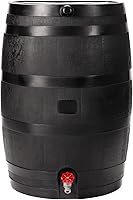
- Store the barrel in shade or use a dark, solid barrel to limit algae.
- Keep the lid on unless you're cleaning or checking the water.
- Screen the inlet and clean the mesh every few weeks in fall.
- Empty and scrub when water smells or looks cloudy.
- Cover the spigot with a fine mesh to keep mosquitoes from laying eggs.
A gutter guard upstream also cuts how much grit reaches the barrel. If you're still choosing a barrel, our roundup of the best rain barrels for a garden covers size and lid options.
A diverter with a hose lets you send the first dirty runoff past the barrel and start collecting once the roof has had a rinse. That one habit keeps more silt out than any screen alone.
When is it worth replacing the barrel instead of cleaning it?
Clean first, and replace the barrel if cracks, a broken spigot, or a lid that won't seal keep letting debris or pests in. Most grime comes out with soap and a brush.
Small cracks can be patched, but a split seam on a tall barrel is a leak waiting to fail. A missing or warped lid lets in leaves and mosquitoes, which no amount of scrubbing fixes.
A replacement screen is cheap, but a barrel that no longer holds water or seals is not.
If the barrel holds water but the flow is weak, the spigot or a clogged outlet is usually the cause. Clear the debris and check the screen before you assume the barrel is done.
A weak trickle from a full barrel often means a blocked outlet port or a fitting packed with grit, not a worn-out tank.
Learning how to clean a rain barrel is mostly about routine. Twice a year, plus a quick screen check after storms, keeps the water clear for your whole garden season.
Frequently asked questions
What causes algae in a rain barrel?
Algae grows when sunlight reaches the water and nutrients collect in the barrel. A solid, opaque barrel, a tight-fitting lid, and a screen over the inlet reduce light and debris.
Clean the barrel and screen regularly to remove the nutrients algae feed on.
Should you dump the first water after cleaning?
Yes. After scrubbing and rinsing, refill and discard the first batch of rain.
This flushes out any leftover soap residue and loosened grit before you use the water on plants.
Do you need to clean the rain barrel screen too?
Yes. The screen catches leaves, seeds, and grit before they reach the water, so it clogs fastest.
Lift it out, brush off the debris, and rinse it whenever you clean the barrel, or more often in fall when leaves fall.