Uncle Jim's 1000 Red Wigglers Review: Worth It? (October 2026)
Uncle Jim's worm farm red wigglers suit a ready home bin if you want 1,000 worms from a long-running worm farm. Choose the 250-count pack for a smaller start, or compare other sellers if count or pack weight matters more than the brand.
On this page (7 sections)
- What do Uncle Jim's worm farm red wigglers include?
- How should you choose a worm count?
- How do you set up a bin for red wigglers?
- How should you care for worms after they arrive?
- What does Uncle Jim's say about the farm and castings?
- What mistakes make a new worm bin harder to manage?
- Is Uncle Jim's 1000 Red Wigglers the right choice?
Uncle Jim's worm farm red wigglers suit a ready home bin if you want a 1,000-count pack from a long-running worm farm. The worms may include different earthworm species, so this choice fits buyers who value the count and farm more than a single-species guarantee.
The pack is described for composting or fishing. Uncle Jim's says its worms are raised in the USA and harvested from worm beds that are decades old.
What do Uncle Jim's worm farm red wigglers include?
The 1,000-count pack gives you a clear count for planning a new or growing compost bin. Uncle Jim's says the worms may include different earthworm species, and it does not identify an exact species breakdown.
Uncle Jim's 1000 Red Wigglers: Best for growing bins
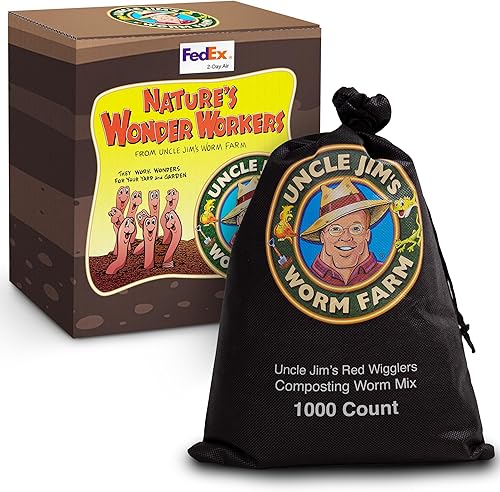
- 1,000-count pack
- May contain different earthworm species
- Raised in the USA
A 1,000-count option from Uncle Jim's Worm Farm for starting or expanding a compost bin. The farm says its worms may include different earthworm species from its established beds.
Pros
- 1,000-count pack
- Composting and fishing uses
- Uncle Jim's says its worms are raised in the USA
Cons
- May contain different earthworm species
- No exact species breakdown is given
That mixed-species detail is the main tradeoff to consider. Uncle Jim's says the worms work through different layers of compost, which may appeal if you want a mix, but skip this pack if your plan depends on buying one named species.
The 1,000 count is a starting quantity, not a promise about how many scraps a bin can process each day. Bin size, bedding, moisture, temperature and feeding pace all affect how a colony settles in.
How should you choose a worm count?
Choose the count based on the space and food you can support now, rather than the largest number available. A smaller quantity can be easier to manage in a modest bin, while a larger established setup can make use of more worms.
Uncle Jim's 250 Red Wigglers: Best for cautious starters

- 250-count pack
- Composting or fishing use
- Raised in the USA
A smaller-count option from the same worm farm for a modest setup. It shares the farm's description of worms that may include different earthworm species.
Pros
- Lower count for a smaller bin
- Composting and fishing uses
- Uncle Jim's says its worms are raised in the USA
Cons
- Fewer worms for a larger bin
- May include different earthworm species
The 250-count Uncle Jim's pack suits a smaller bin, a first attempt, or a buyer who wants to add worms gradually. Skip it if your bin is large and already has enough bedding and scraps for a bigger colony.
Live Redworms 1,200 Red Wigglers: Best for higher counts

- 1,200 live red worms
- For composting or garden use
- Care instructions included
A 1,200-worm option for buyers who want a higher stated count. NaturesGoodGuys includes guidance for use in a ventilated worm bin.
Pros
- Higher stated count than the Uncle Jim's 1,000 pack
- Includes easy-to-follow instructions
- Described for composting and garden use
Cons
- Does not come from Uncle Jim's Worm Farm
- Care is needed to keep worms moist and above 50°F during the stated storage period
The 1,200-count NaturesGoodGuys pack is the highest stated count among these choices. It includes instructions for a ventilated bin, bedding and food scraps, so it fits buyers who want that guidance along with the worms.
WWJD Worms 1 lb Red Wigglers: Best for weight buyers

- 1 lb pack
- For worm bins and gardening
- Composting use
A weight-based option for a worm bin or garden project. The product is sold as 1 lb of red wigglers rather than by a stated worm count.
Pros
- 1 lb pack size
- Described for worm bins and gardening
- Composting use
Cons
- No worm count is stated
- Does not come from Uncle Jim's Worm Farm
The 1 lb WWJD Worms pack suits buyers who prefer to buy by weight. Because it has no stated worm count, skip it if you need to compare the number of worms directly with count-based packs.
For another overview of species and starter choices, see our guide to the best composting worms to start a worm bin. If you're deciding between common composting species, read red wigglers vs European nightcrawlers.
How do you set up a bin for red wigglers?
Set up a ventilated bin with damp, loose bedding before adding worms. Shredded paper, cardboard or leaves can provide bedding, and the bin should have enough room to hold scraps without becoming soggy.
Prepare the bedding so it feels moist, not waterlogged. Add worms across the bedding, then cover them with a thin layer of bedding to reduce light and keep scraps from sitting exposed.
Start with a small amount of suitable food scraps buried under the bedding. Wait to see whether the food disappears before adding more; an early surplus can sour and attract flies.
Our step-by-step guide to starting a worm bin explains the setup and first feeding. Use what to feed composting worms to choose scraps and avoid foods that can make a bin harder to manage.
How should you care for worms after they arrive?
Keep the bedding damp, provide airflow, and add food in amounts the worms can use. Check the bin regularly for standing liquid, dry bedding, uneaten scraps and strong odors, then adjust one thing at a time.
Worms need time to settle after they are added. Keep feeding light at first, and increase portions gradually as scraps are consumed; a fuller bin does not mean the worms can process a sudden large feeding.
Avoid treating the bin like an ordinary outdoor garden bed. Composting worms need a contained area with bedding and organic material, so adding them to bare soil does not give you the same control over feeding or collection of castings.
A sour smell or fruit flies can point to too much food or excess moisture. Follow our advice on worm bin smells and fruit flies if either problem appears.
What does Uncle Jim's say about the farm and castings?
Uncle Jim's says it has been in business for over 50 years and raises its worms on its farm in the USA. The farm describes its worm beds as decades old and says they may contain different earthworm species.
The brand also says worm castings contain more phosphates, nitrogen and potash than average lawn soil. Treat those nutrient comparisons as the brand's description, and focus on the practical benefit: castings are the material left after worms digest suitable organic matter.
A new bin needs time to produce castings. Keep a steady routine with bedding, moisture and modest feeding, then learn how to harvest worm castings from a bin when the material is ready.
What mistakes make a new worm bin harder to manage?
The most common early mistake is adding more scraps than the worms can consume. Food left too long can decay, so bury small portions and wait until most of the previous feeding has been worked through.
A second mistake is letting bedding swing between soggy and dry. Damp bedding supports the bin, while standing water or dry material signals that conditions need attention.
Another mistake is buying worms before the bin is ready. Prepare bedding, airflow and a place for food first, then add the worms so they have a suitable environment on arrival.
Finally, don't choose by count alone. A count that exceeds your available bin space or food supply does not automatically improve composting; choose a quantity that matches what you can care for consistently.
Is Uncle Jim's 1000 Red Wigglers the right choice?
Choose Uncle Jim's 1000 Red Wigglers if you want a count-based 1,000-worm pack from Uncle Jim's and are comfortable with worms that may include different earthworm species. Choose the 250-count pack for a modest start, NaturesGoodGuys for the highest stated count here, or WWJD Worms if you prefer a weight-based pack.
Skip the 1,000-count option if you need one exact species or don't yet have a prepared bin. Set up moist bedding first, begin with small feedings, and use our worm bin setup guide to get the colony started.
Frequently asked questions
Are Uncle Jim's red wigglers all one species?
Uncle Jim's says its red wigglers come from worm beds that may contain different earthworm species. If you need a pack identified as one exact species, confirm that detail before choosing; the 1,000-count product does not give a species breakdown.
How many worms should I start with?
Choose a count that fits your bin and feeding plans. The 1,000-worm pack is a larger start than the 250-worm option, while the space, moisture and food available in your bin affect how quickly the worms settle in and process scraps.
Can I put red wigglers straight into garden soil?
These packs are described for composting, and some also mention garden use. For a worm bin, prepare moist bedding first and add the worms there; garden soil alone may not provide the contained organic material and conditions a composting bin needs.
What should I do before adding worms to a bin?
Set up damp, loose bedding and a suitable food source before the worms arrive. Add scraps in small amounts, then watch moisture and odors as the bin settles.
Our step-by-step guide covers a basic setup and first feeding.


