Red Wigglers vs European Nightcrawlers for Composting: Which Is Better? (October 2026)
Red wigglers suit a bin focused on food scraps, while European nightcrawlers suit larger scraps and tougher material. Choose by what you feed and how you plan to use the worms and castings.
On this page (6 sections)
Red wigglers suit a bin focused on food scraps, while European nightcrawlers suit larger scraps and tougher material. For red wigglers vs nightcrawlers, choose by the food you expect to add, your bin setup and whether you also want worms for garden soil.
Red wigglers are sold for composting and garden soil. European nightcrawlers are described for larger food, leaves and other material that has not been pre-composted.
There isn't one best choice for every bin. This comparison looks at feeding fit, size, counts and garden use so you can match the worms to your plans.
 Best for a smaller starter group
Uncle Jim's 250 Super Red Nightcrawlers
Red wigglers vs nightcrawlers: which should you choose?
Choose red wigglers for a bin centered on regular food scraps; consider European nightcrawlers if you expect to add larger scraps or tougher material. The kind of waste you have matters more than choosing worms by name alone.
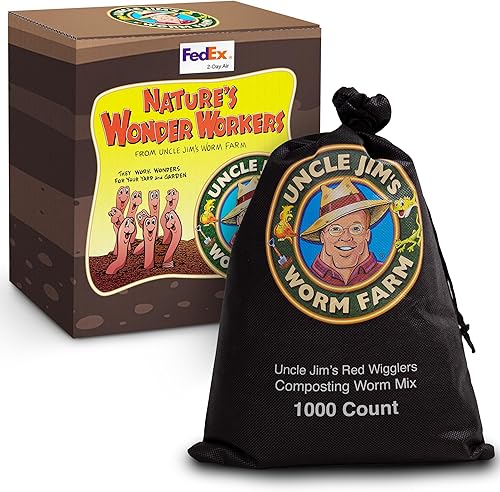
Red wigglers are sold for composting and garden soil. The Uncle Jim's option may contain different earthworm species, which the company says can work across multiple compost layers.
European nightcrawlers are described as larger than red wigglers. Uncle Jim's 2 lb option says they suit larger foods, leaves and tougher material that hasn't been pre-composted.
If you're new to worm composting, review how to start a worm bin before you order. A steady routine and suitable bedding help you start with a bin that fits the worms and scraps.
How do their feeding habits differ?
European nightcrawlers may be a better fit for larger scraps and leaves, while red wigglers are a straightforward pick for a food-scrap bin. Break food down into manageable pieces and add only what your worms can process.
Uncle Jim's 2 lb European nightcrawler option is described for larger foods that aren't as broken down, plus leaves and tougher material that hasn't been pre-composted. That can make it appealing if your bin receives a varied mix rather than mostly small kitchen scraps.
The red wiggler option is presented for food scraps and waste in a compost bin. Its worms may come from beds with different earthworm species, which the company says lets them work through more than the top few inches.
Neither description means you can add unlimited food. Start with small amounts and watch how quickly the bin processes them.
The guide to what composting worms can eat covers suitable foods and what to skip.
Which composting worms suit a beginner?
Red wigglers are an easy default when you want a bin for routine kitchen scraps. The Uncle Jim's option may include more than one earthworm species.
A 250-worm European nightcrawler pack gives you a smaller stated group. It may be worth considering if you want to start with nightcrawlers and keep the initial number modest.
Think about the scraps you can collect each week. If you generate little food waste, choose a smaller start or wait until you have a plan for keeping the worms fed.
Do European nightcrawlers need a different bin?
Use a bin that can hold your bedding and food scraps, and choose its size around your routine. The worm type alone doesn't tell you which bin design to buy.
European nightcrawlers are described as larger than red wigglers, but no required bin depth or layout is specified. Focus on practical access, ventilation and the room you have for a working bin.
Trays, bags and buckets each have tradeoffs in access and harvesting. Our guide to choosing a worm composting bin compares these setups before you settle on one.
If you already own a bin, check its usable space and feeding access. Avoid adding more worms than your setup and regular scraps can support.
How do worm size and pack count compare?
Red wigglers are the smaller-worm choice here; European nightcrawlers are described as larger, with pack counts that vary. Compare the count or weight on the option you plan to buy, not just the species name.
The 250 European nightcrawler pack gives a stated count, while the 2 lb European nightcrawler pack is approximately 650 worms per pound, or about 1,300 in total. The red wiggler option is described as a 1,000-count pack.
The count for the 2 lb pack is approximate, so treat it as a rough guide. A larger pack can be a poor fit if your bin is small or your household produces few scraps.
The best composting worms for a new bin guide can help you compare species and starting options. If you want to see one red wiggler option in more detail, read our Uncle Jim's red wigglers review.
Can either type help with garden soil?
Both types are offered for garden use, while European nightcrawlers are specifically described as soil aerators. The right choice depends on whether your main goal is processing scraps in a bin, using castings, or introducing worms to garden soil.
The European nightcrawler options are described for garden soil aeration. Uncle Jim's says their tunnels allow water and nutrients to reach plant roots, and the 2 lb option describes the worms as mid-range dwellers that till and aerate soil.
The red wiggler option focuses on castings made from food scraps and waste. It is sold for garden soil and composting, but the available product information does not describe it as a garden burrowing worm.
Worms suited to a compost bin aren't automatically suited to every outdoor location. Check local guidance and conditions before moving compost worms into garden soil.
Which worms should you buy for your compost bin?
Pick red wigglers for a food-scrap focused bin, and European nightcrawlers if larger scraps and tougher material are part of your plan. Choose a count that matches your bin and the food you can add steadily.
For most beginners with regular kitchen scraps, the red wiggler option is the clearest starting point. Choose 250 European nightcrawlers for a smaller nightcrawler group, or the 2 lb pack if you have a larger bin and more material to process.
If you're still planning your setup, start with the home worm composting guide. It covers the bin, worms and setup choices that help you build a routine.
Frequently asked questions
Are red wigglers or European nightcrawlers better for composting?
Red wigglers suit bins focused on food scraps, while European nightcrawlers may suit larger scraps and tougher material. Your choice depends on the feed you expect to add, the size of your bin and whether you also want worms for garden soil.
Can you use European nightcrawlers in a worm bin?
Yes, European nightcrawlers can be used for composting. They’re described for larger foods, leaves and tougher material that hasn’t been pre-composted.
Start with a bin and feeding routine that match the amount of material you can add.
How many composting worms should you start with?
Pick a count that fits your bin and the scraps you can add consistently. The options here include 1,000 red wigglers, 250 European nightcrawlers or a 2 lb nightcrawler pack with an approximate count of 1,300 worms.
Can composting worms go in garden soil?
Both types are sold for garden use as well as composting. European nightcrawlers are described as mid-range dwellers that can till and aerate soil, while the red wiggler option is presented for garden or farm soil.
Check your local conditions before introducing worms outdoors.


