How Much Does a Rain Barrel Cost?
Most 50-gallon rain barrels cost roughly sixty to one hundred fifty dollars, with the total driven by size, material, spigot type and included features. Budget extra for a stand, a diverter or a filter if you want a full setup.
On this page (7 sections)
A rain barrel is a modest purchase that pays you back in free water for the garden. Most 50-gallon models cost roughly sixty to one hundred fifty dollars, and the price shifts with size, material, spigot type and included features.
What a rain barrel costs depends on what you add around it, from a stand to a filter. That helps you budget for a complete setup rather than just the container.
The barrel itself is only part of the story. Fittings, a base and a screen can add a meaningful amount, so a realistic figure covers the whole working system.
Below, we break down the real cost drivers and help you decide where to spend.
What sets the price of a rain barrel?
Capacity and material are the two biggest price drivers, with features like spigot type and overflow design adding the rest. A basic 50-gallon plastic barrel sits at the low end, while larger barrels and metal or decorative designs cost more.
Material matters because it affects durability and appearance. UV-resistant polyethylene is the most common choice, since it stands up to sun and weather without rotting.
Metal barrels cost more but bring a different look. The best rain barrels for a garden weigh these trade-offs when you compare designs.
Capacity is the next lever. A 50-gallon barrel stores more than a 30-gallon one, so it usually costs more.
But a small yard may not need that much storage, and a smaller barrel costs less and takes less space.
Spigot and overflow design also move the price. A brass spigot with a leak-free fit and a built-in overflow valve add cost over a plain plastic tap.
Those upgrades make the barrel easier to use and less likely to overflow near your foundation.
How much does a typical 50-gallon barrel cost?
Expect most 50-gallon plastic rain barrels to fall in the sixty to one hundred fifty dollar range. The spread covers basic models up to ones with brass spigots, flat backs and linkable overflow fittings.
Within that range, the differences come down to construction details. A double-walled barrel resists dents and fading better than a thin single-wall one.
A flat back lets the barrel sit tight against a wall or fence, which matters in small yards.
Buyers shopping on a tight budget can find basic barrels at the low end. Spending more usually gets you a sturdier shell, a better spigot and easier linking to a second barrel.
Our guide to how much water does a rain barrel hold explains why capacity and footprint both shape what you pay.
Don't assume the biggest barrel is the best value. A 50-gallon barrel that fills and empties smoothly often serves better than a larger one that's hard to place or drain.
Which features push the price up?
Brass spigots, flat-back shapes, double-wall shells and linkable overflow valves are the upgrades that add cost. Each one solves a real problem, so the extra spend can be worth it.
A brass spigot resists stripping and leaks better than a plastic tap. If you'll attach a hose and use the barrel often, that upgrade earns its keep.
A built-in overflow valve directs excess water away from your foundation, which protects your home.
A flat back lets the barrel hug a wall, saving space along a narrow side yard. Linkable designs let you join two barrels to increase storage without buying a bigger single unit.
A mesh screen over the top keeps leaves and mosquitoes out.
Double-walled plastic resists chipping and fading over years. These features are why two 50-gallon barrels can sit far apart in price even though the capacity matches.
Where do the three barrels we compared land?
The Step2 Fernway Rain Barrel pairs a 50-gallon capacity with double-walled plastic that resists chipping, fading, cracking and peeling. Its stainless steel mesh screen filters fine debris while letting water flow, and the included 3/4 inch brass spigot offers a durable tap.
It stands 36 in high and measures 24 by 20 in.
The RTS ECO 50-Gallon Rain Barrel is made from 100% recycled plastic and has a flat back to fit snugly against walls or fences. It includes a built-in overflow valve and a plastic spigot for quick water retrieval.
Its lower material cost and simple tap put it at the budget-friendly end of the range.
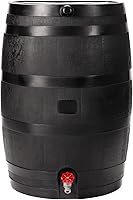
The RTS 50-Gallon Oak Brass Spigot Barrel uses UV-resistant polyethylene with a molded oak texture that won't fade or rot. It adds a premium brass spigot and dual overflow, plus a flat back for tight spots.
The decorative finish and brass tap are what lift it above a plain barrel on price.
Does the material change the cost much?
Yes. Plastic is the lowest-cost option, while metal and decorative designs cost more.
Most homeowners choose plastic because it's light, durable and affordable.
UV-resistant polyethylene is the standard for rain barrels. It won't rot, it stands up to sun, and it's light enough to move into place before filling.
Recycled plastic versions cost about the same as new plastic and appeal to buyers who want a lower-impact choice.
Metal barrels cost more. They bring a classic look and can last a long time, but they need care to avoid rust and are heavier to position.
Wooden barrels cost the most and need more maintenance.
Decorative finishes sit in between. A molded oak texture on a plastic barrel gives the look of wood without the upkeep.
That finish adds cost over a plain barrel but stays lighter and easier to care for.
How much do extras and accessories add?
Plan on extra spend for a stand, diverter or filter, depending on what your setup needs. These extras turn a barrel into a working system.
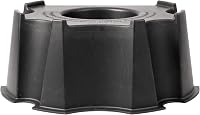
A stand raises the barrel so the spigot clears the ground. That makes filling watering cans easier and improves water pressure.
Some makers sell a matched stand, and some barrels accept a compatible one sold separately.
A downspout diverter sends roof water into the barrel and lets excess bypass it. A filter screen keeps leaves and grit out of stored water.
Our guide to do you need a filter on a rain barrel covers when a filter is worth adding.
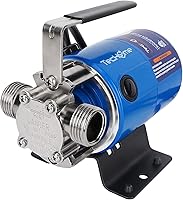
If you want to move water uphill or run a drip line, a small pump adds cost. See our picks for a rain barrel pump when gravity flow isn't enough.
Can a DIY rain barrel save money?
A DIY barrel can cost less in materials if you already have a food-grade drum and tools. The savings depend on what you can source cheaply and how much time you have.
The main costs in a DIY build are the drum, a spigot, an overflow fitting and a screen. A used food-grade barrel is often the cheapest part.
The fittings and tools add up, and mistakes like a poorly sealed spigot can lead to leaks.
Buying a finished barrel saves time and comes with matched fittings and a warranty. A ready-made barrel also arrives with the overflow and screen already in place.
For many people, the small extra cost is worth avoiding a weekend of drilling and sealing.
If you enjoy building and have the tools, DIY can work. If you want it done and reliable, a store-bought barrel is the simpler path.
What should you budget for your first rain barrel setup?
Budget for the barrel plus a stand, a screen and a hose or watering can, so the total reflects a working system. A realistic first setup costs more than the barrel alone, but each piece earns its place.
Start with the barrel size your roof and garden call for. A 50-gallon barrel suits most downspouts and gives useful storage between rains.
Then add a stand so the spigot clears your watering can. Add a screen or filter to keep debris out.
If you plan to link barrels later, choose a linkable model now so you don't rebuy. If your yard slopes away from the house, check where overflow will drain before you place the barrel.
These choices affect how much your setup costs and how well it works.
When you weigh what a rain barrel costs in total, count the extras as part of the purchase. A barrel with the right fittings and a solid base saves you from buying twice.
That's the number worth budgeting around.
Frequently asked questions
Is a rain barrel cheaper than watering from the tap?
It can be over time. A barrel costs more up front than a few water bills, but harvested rainwater is free to reuse and reduces how much tap water you draw for garden chores.
The savings build up over several seasons of regular watering.
Does a bigger rain barrel always cost more?
Not always. Capacity matters, but so do material, spigot type and the features bundled in.
A well-equipped 50-gallon barrel with a brass spigot and screen often costs more than a plainer barrel of the same size, so compare what you actually get.
Do I need to buy a stand and a filter too?
No, but both change how well a barrel works. A stand raises the spigot so watering cans fit and pressure improves.
A filter keeps leaves and grit out of the stored water.
Build these into your budget if you want a complete setup from day one.
Can I build a rain barrel for less than buying one?
A DIY barrel can cost less in materials if you already have a food-grade drum and tools. Buying a finished barrel saves time, comes with matched fittings and a warranty, and avoids the risk of leaks from a homemade spigot install.
What else should I budget for besides the barrel?
Plan for a downspout diverter or a stand, a filter screen, and a hose or watering can. If you want to move water uphill or run a drip line, a small pump adds cost.
Add these items so the total reflects a working setup, not just the container.