How Do Rain Barrels Help the Environment?
Rain barrels help the environment by catching roof water that would otherwise run into storm drains, then holding it for gardens and lawns. That cuts tap-water use in dry spells and slows the burst of runoff that carries pollution into local streams.
On this page (9 sections)
- How do rain barrels help the environment at home?
- How does capturing rainwater reduce stormwater runoff?
- Does a rain barrel lower your water bill and energy use?
- Why is unchlorinated rainwater better for plants and soil?
- What else should you know before installing a rain barrel?
- How does a rain barrel fit into a garden watering plan?
- How do you keep collected rainwater clean enough to use?
- Which rain barrel setup suits a small yard?
- So, how do rain barrels help the environment overall?
Rain barrels help the environment by catching roof water that would otherwise run into storm drains, then holding it for gardens and lawns. That cuts tap-water use in dry spells and slows the burst of runoff that carries pollution into local streams.
The effect is small at one house and real across a neighborhood. A single 50-gallon barrel won't fix a watershed, but it changes where the rain goes and how much treated water you draw.
How do rain barrels help the environment at home?
They help in three ways: they save treated tap water, they keep rain out of storm sewers and they reduce erosion around downspouts. Each one is a household-level benefit you can see.
A full barrel holds 50 gallons of unchlorinated water for beds, pots and lawns. That is 50 gallons you don't pull from a municipal supply or a well.
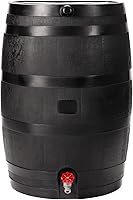
The RTS barrel, for example, holds 50 gallons in UV-resistant polyethylene and has a flat back to sit against a wall.
Keeping rain on site also matters. Water that leaves a downspout at speed scours soil, undermines mulch and stains walkways.
A barrel takes the first flush and releases the rest slowly through an overflow valve.
How does capturing rainwater reduce stormwater runoff?
A rain barrel holds back the first part of a storm, the dirtiest water and the fastest surge. Storm drains and creeks get less of that first flush, which is where most pollutants ride.
Roof runoff picks up dust, pollen, bird droppings, roof grit and traces of whatever sits on the shingles. In a hard rain, that mix hits drains and streams all at once.
A barrel interrupts the flow and lets some of it settle and soak into a garden instead.
The scale matters. A 1,000-square-foot roof sheds roughly 620 gallons in a one-inch storm.
A 50-gallon barrel catches only part of that, so the overflow valve does real work. A linked pair of barrels doubles the capture.
Across many homes, that adds up to less water hitting treatment plants and combined sewer overflows. Cities with older combined systems see the biggest difference in heavy storms.
Does a rain barrel lower your water bill and energy use?
It can, mainly in summer when garden watering peaks. Each barrel you empty and refill is water you didn't pay for, and every gallon you skip means less pumping and treatment.
Municipal water is treated, filtered and pumped to your tap, and that takes energy. Rain arrives free and unchlorinated.
For plants, the lack of chlorine and the slightly acidic pH are often a plus.
The savings are modest for most homes. A garden that drinks 200 gallons a month saves that much when barrels keep up.
The bigger gain is in drought: when restrictions hit outdoor watering, stored rain keeps beds alive without a hose.
Track your own use by checking how much water does a rain barrel hold and how often it fills. A 50-gallon barrel on a small roof can cycle several times a month in wet weather.
Why is unchlorinated rainwater better for plants and soil?
Rainwater is soft and low in minerals and chlorine, which many garden plants and soil microbes prefer. Chlorinated tap water can knock back the helpful biology in compost and potting soil, at least briefly.
That matters most in containers and raised beds, where soil life has less room to recover. Rain also carries dissolved nitrogen from the air in small amounts, which acts as a mild feed.
The gain is real but easy to overstate. Rainwater still picks up whatever is on your roof.
Use it on soil and ornamentals, and rinse edible crops before eating them.
If you collect for a worm bin or compost pile, rain is a good moisture source too. Our worm care guides cover keeping bedding at the right dampness without tap water.
What else should you know before installing a rain barrel?
Check local rules, the roof material and the base first. These three details decide whether the barrel helps or creates a problem.
Some states and cities regulate rainwater collection, and a few water-rights states have limits. A quick call to your water authority or building department settles it.
Avoid collecting from roofs with lead flashing or treated wood shingles if the water goes near edibles.
The base matters more than most people expect. A full 50-gallon barrel weighs about 400 lb, so set it on level, solid ground.
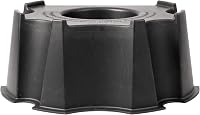
An optional stand raises the spigot so watering cans fit under it.
Mosquitoes need open water to breed. A fine screen over the inlet and overflow stops them.
Empty and rinse the barrel between seasons so nothing sits stagnant.
How does a rain barrel fit into a garden watering plan?
Use stored rain first for beds and pots, and keep the hose as backup. A barrel is most useful when it's near where you water and easy to empty.
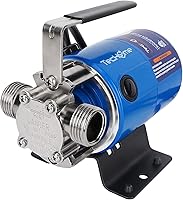
Drip lines, soaker hoses and watering cans all run fine on rain. A rain barrel pump helps when you need pressure or a long hose run uphill.
Without a pump, gravity only gets you so far, so place the barrel high or the garden close.
Pair the barrel with mulch to cut evaporation from beds. Water early in the day so less is lost to sun and wind.
Empty the barrel before a big storm so it has room to catch the next one.
For a bigger garden, link two or three barrels. The RTS barrel has an overflow valve and can connect to another for more storage.
Linking also gives you more room to ride out a dry week.
How do you keep collected rainwater clean enough to use?
Screen the inlet, divert the first flush and keep debris out of the barrel. Clean stored water is easier to use and kinder to your plants and pump.
A rain barrel filter or a mesh screen over the top catches leaves and grit. A diverter sends the first dirty runoff away from the barrel.
The Oatey Mystic diverter fits standard 2 in by 3 in downspouts and comes with a 4 ft hose to reach the container.
Clean the screen a few times a season. Empty and scrub the barrel between seasons so sediment doesn't build up.
Keep the lid sealed so nothing can fall in.
Which rain barrel setup suits a small yard?
A single barrel near the downspout closest to your beds is enough to start. Add a diverter and a screen, and you have a simple system that saves water with little fuss.
The Step2 Fernway holds 50 gallons in double-walled plastic that resists chipping and fading. Its stainless steel mesh screen filters fine debris, and the 3/4 inch brass spigot is included.
Minimal assembly keeps the setup short.
For tight spots against a fence, a flat-back barrel like the RTS fits snugly. If you want the best fit for your garden layout, compare options in our guide to the rain barrel for garden setups.
Skip a barrel if you have no downspout to feed it or nowhere level to set it. In that case, a rain garden or a simple swale may be the better first step.
So, how do rain barrels help the environment overall?
They help by saving tap water, slowing runoff and keeping rain on site for plants. The environmental case for a rain barrel is strongest when it's used, so place it where you'll actually empty it.
At home, a 50-gallon barrel trims summer water use and eases the load on drains during storms. In a neighborhood, many barrels add up to less polluted runoff reaching creeks.
That is how do rain barrels help the environment in practice: small, repeatable savings at each house.
Start with one barrel and a diverter near your thirstiest bed. If it fills faster than you can use it, add a second barrel or improve the overflow.
If it sits full and untouched, move it closer to where you water.
Keep the screen clean and empty the barrel before winter in freezing climates. For more on sizing and placement, see how much water does a rain barrel hold and our rain barrel pump guide for moving the water where you need it.
Frequently asked questions
Does a rain barrel actually save water?
Yes. A 50-gallon barrel that fills and empties four times in a month holds 200 gallons you don't draw from the tap.
The saving depends on rainfall and how often you empty it, but the water is free and unchlorinated.
Can rainwater from a barrel go on vegetables?
It can, though roof runoff picks up dust, bird droppings and grit on the way down. Water the soil around plants rather than the leaves, and wash harvested produce.
A diverter and a fine screen keep most debris out of the barrel.
Are rain barrels legal everywhere?
No. Some US states and cities limit or regulate rainwater collection, and a few water-rights states have rules about storing it.
Check with your local water authority or building department before you install one.
Do rain barrels breed mosquitoes?
They can if the top is open. A fine mesh screen over the inlet and the overflow keeps mosquitoes from laying eggs in the stored water.
Empty and rinse the barrel between seasons to remove any standing water.
How much roof water can one barrel catch?
About 0.62 gallons per square foot of roof for every inch of rain. A 1,000-square-foot roof sheds roughly 620 gallons in a one-inch storm, so a 50-gallon barrel fills fast and needs an overflow path.