Do You Need a Compost Aerator Tool?
A compost aerator helps loosen and mix compacted material in a yard bin. Choose a tool that fits your bin’s depth and opening, and skip one if your pile is already loose and breaking down well.
On this page (8 sections)
- When does a compost aerator help?
- What should you look for in a compost aerator?
- Which compost aerator suits your bin?
- How do you set up and use a compost aerator?
- What common mistakes should you avoid?
- Does an aerator replace a tumbler?
- What else helps a yard compost pile break down?
- Which compost aerator should you choose?
A compost aerator helps loosen and mix compacted material in a yard bin. Choose a tool that fits your bin’s depth and opening, and skip one if your pile is already loose and breaking down well.
Corkscrew tools twist into compost and pull or lift material as you withdraw them. Other long-handle designs focus on reach and leverage, so the right motion depends on your pile and how you like to work.
When does a compost aerator help?
A compost aerator helps when material in a stationary yard bin has become dense and difficult to mix. It can loosen compacted areas and move inner material toward the surface.
Aeration is only one part of compost care. If the pile is soggy, mix in dry leaves or another suitable brown material; if it is dry, add moisture.
If you can turn the pile comfortably with a garden fork and it breaks down well, a separate tool may add little. Check the bin’s opening and depth before buying, so the tool can reach the areas you want to loosen.
What should you look for in a compost aerator?
Choose by reach, working motion, and how much force you want to use. A tool should fit through the bin opening and be manageable in the kind of material you compost.
Measure or estimate the opening and the depth of the pile. A long tool may reach lower material, but dense or wet compost can be too heavy to lift in one pass.
Consider the motion you prefer. Corkscrew designs twist and lift, while a long handle can provide leverage as you loosen a pile from above.
Storage matters, too. A long tool needs a place where it can be kept between uses without getting in the way.
Which compost aerator suits your bin?
Pick the Compost Crank for deep reach, EJWOX for a manual corkscrew turner, or Yard Butler for a long handle. The SQUEEZE master is another twist-in option, including for readers who want to work gently near a worm bin.
Is the Compost Crank right for a deep bin?
The Compost Crank suits a deep stationary pile where you want to twist in and lift material. It is 46 in tall, with an effective depth of 30 in, and its corkscrew can reach into corners.
The stainless steel tool has free-spinning, glass-filled nylon handles and arrives ready to use without assembly. Choose it if its reach fits your bin and you can lift the compost in manageable sections; skip it if you want a shorter or hole-making tool.
Who should choose the EJWOX turner?
The EJWOX suits someone who wants a corkscrew-style tool for drawing core material toward the surface. Its free-spinning hardwood handle is designed to help you turn the tool without straining your grip.
Insert it deep into the compost and turn, repeating in several spots as needed. Choose it if you prefer this twist-and-draw motion; skip it if you want a long-handled design that focuses on leverage.
When does the Yard Butler make sense?
The Yard Butler suits someone who wants a long handle for loosening a pile from above. Its powder-coated steel design is intended for outdoor use, and the handle provides leverage without requiring you to lift and turn the whole pile.
Choose it if leverage is the priority and the tool fits your bin’s depth. Skip it if you specifically want a corkscrew that lifts material upward from the center.
Is the SQUEEZE master suitable for a worm bin?
The SQUEEZE master may suit a worm keeper who needs to loosen one compacted spot gently. It has a stainless steel tool and a polyamide handle, and its smooth finish is described as worm friendly.
Even so, routine deep mixing can disturb worms and bedding. Work only where needed, and choose a gentler approach if the bin is healthy and its bedding stays loose.
For routine worm care, add food in small pockets and cover it with bedding. Our guide to what to feed composting worms explains what to add and what to skip.
How do you set up and use a compost aerator?
Start with a stable bin and loosen a few compacted spots instead of trying to turn the whole pile at once. Use the motion suited to the tool, then check whether the material is airy enough.
For a corkscrew design, twist into the pile and lift without turning as you pull out. With a tool meant to draw material upward, insert it deep and turn to bring some of the core toward the surface.
If compost resists, work layer by layer. Heavy material can be hard to lift as one mass, so don’t force the tool or yank when it catches on stems and vines.
After loosening the pile, check its moisture and texture. Break up large clumps, add dry browns if the material is soggy, and cover fresh scraps with leaves or another suitable brown material.
What common mistakes should you avoid?
The most common mistake is using an aerator to solve a moisture or ingredient problem. Aeration can loosen material, but it does not replace a suitable mix of scraps and browns.
Don’t turn more often than the pile needs. Repeated disturbance can take effort without helping if the compost is already loose.
Avoid forcing a tool through resistant material. Stop, loosen a smaller section, and check that the bin is steady before continuing.
In a worm bin, don’t twist through the full bedding mass. Worms need a more localized approach, with food placed in pockets and covered with bedding.
Does an aerator replace a tumbler?
No. A hand aerator works from above in a stationary bin, while a tumbler mixes material when you rotate its drum.
Choose the hand tool if you want to keep the bin in place and can work the pile yourself.
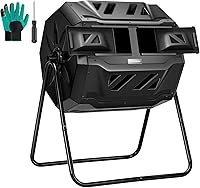
A tumbler may suit you if you prefer rotating a drum, provided its capacity and footprint fit your yard. Compare the options in worm bin vs compost tumbler and see dual-chamber compost tumblers if you want separate chambers for batches.
What else helps a yard compost pile break down?
Keep moisture and brown material in balance before adding more tools. A pile should be damp like a wrung-out sponge, with dry leaves, shredded cardboard, or other suitable browns mixed in when food scraps make it wet or dense.
A compost thermometer for a bin or tumbler can help you track temperature as the pile changes. Also check the texture, since temperature alone won’t tell you whether the material is evenly moist or well mixed.
If you compost food scraps with worms instead, start with worm composting at home and choose a setup that matches your space.
Which compost aerator should you choose?
Choose the tool that fits your bin and the motion you can use comfortably. Pick the Compost Crank for long corkscrew reach, EJWOX for a manual corkscrew turner, or Yard Butler for long-handle leverage.
The SQUEEZE master is a twist-in option for targeted loosening near worms, but use it gently. If your pile stays loose and breaks down well, skip an aerator; if you’re still choosing a composting setup, see our guide to dual-chamber compost tumblers.
Frequently asked questions
Do compost aerator tools really work?
A compost aerator can loosen compacted material and move some of the inner compost toward the surface. It helps most when you can reach the dense spots that need air.
It won't fix a pile that is too wet, too dry, or short on dry browns.
Correct those conditions as you loosen the material.
How often should I aerate my compost?
Aerate when the pile is compacted, smells sour, or has settled into a dense mass. There is no need to follow a fixed schedule if the material stays loose and breaks down well.
Check moisture and the balance of food scraps and dry material, too.
Repeated turning won't solve a problem caused by soggy or dry compost.
Can I use a compost aerator in a worm bin?
Use a compost aerator sparingly in a worm bin because deep mixing can disturb worms and bedding. If you need to loosen a compacted spot, work gently in that area rather than twisting through the whole bin.
For routine care, add food in pockets, cover it with bedding, and make small changes.
Is a compost aerator better than a compost tumbler?
A hand aerator suits a stationary pile you can reach from above. A tumbler mixes material when you rotate its drum, so it suits people who prefer drum turning and have room for the unit.
Choose based on your space, batch size, and preferred effort.
A hand tool still requires you to work the pile yourself.