Why Do Worms Escape a Worm Bin?
Worms escape a worm bin when conditions in the bedding turn against them: too wet, too dry, too hot, too sour, or too short on food. Fix the bedding and the lid, and most worms stop trying to leave within a few days.
On this page (10 sections)
- Why do worms escape a worm bin after feeding?
- How does bedding moisture cause worms to escape?
- What heat and cold make worms leave the bin?
- What sour conditions and low airflow push worms to the rim?
- How does hunger and overpopulation lead to wandering worms?
- Can worms escape through small gaps and holes?
- What should you do when you find worms outside the bin?
- Which bin setup makes escapes less likely?
- What are the most common escape causes at a glance?
- The short version on why worms leave the bin
Worms escape a worm bin when the bedding no longer meets their basic needs: wrong moisture, poor airflow, heat, sour conditions, or too little food. Fix those first.
A lid alone won't keep worms in when the bedding underneath is working against them. Most escapes look dramatic but trace back to one cause.
The worms aren't lost or broken.
They are searching for better conditions, and the fix is usually in the bin, not on top of it.
Why do worms escape a worm bin after feeding?
Worms escape soon after feeding when the food is too wet, too much at once, or buried too deep. A large wet load cools and compacts the bedding, and worms move up and out to find air.
Feed smaller portions and bury food in one corner. Leave the rest of the bin undisturbed so worms always have a dry, settled area to retreat to.
Wet food also starts to rot and sour quickly, which pushes worms away. If the escape follows a big feed, stop feeding for a week.
Check the moisture and loosen the bedding before adding anything new.
A worm bin should smell earthy, not sour. Our guide to worm bin smell covers what different odors mean.
How does bedding moisture cause worms to escape?
Bedding that's too wet drives worms out first, because soggy material loses air and starts to ferment. Too dry is slower but also sends worms looking for damp spots.
Squeeze a handful of bedding. It should feel like a wrung-out sponge, with a few drops at most.
Standing water or a pool in the bottom means the bin needs dry bedding mixed in and the drain checked.
To fix wet bedding, add dry shredded paper or cardboard and mix it through. Leave the lid open for a few hours in a dry room.
For dry bedding, mist the surface and mix gently.
What heat and cold make worms leave the bin?
Worms leave when the bin gets too warm or too cold for them. Red wigglers work best in a comfortable room temperature range.
A hot spot from sun or a heater sends them climbing; freezing conditions make them seek warmth.
Keep bins out of direct sun and away from radiators or heat vents. In summer, move an outdoor bin into shade.
In winter, insulate the bin or move it somewhere frost-free.
Compost heat is another cause. A big pocket of fresh food or grass clippings can warm the bedding sharply.
Spread food thinly and avoid large green loads in a small bin.
What sour conditions and low airflow push worms to the rim?
Airflow and freshness matter as much as moisture. A sealed lid traps gases from food that's breaking down, and worms climb toward the edges where there's more oxygen.
Use a breathable cover and leave some vent space. If the bin smells sour or like vinegar, the bedding is fermenting.
Stir it, add dry carbon material, and hold off feeding until the smell clears.
Fruit flies and gnats often arrive with the same conditions. They don't cause worms to escape, but both point to food sitting exposed.
A cover mat helps here.
Which cover keeps worms home and flies out?
The Urban Worm Blanket suits bins where worms climb to the lid and fruit flies hover over exposed food. Its jute mat keeps the surface dark and moist while making it harder for flies to reach the waste.
It's all-natural jute fiber and machine washable. It fits the Urban Worm Bag directly and can be cut to fit other bins.
Place it flat on the bedding, leaving the walls clear for airflow. Worms often lay cocoons in the jute, so check it when you harvest.
How does hunger and overpopulation lead to wandering worms?
Worms leave when the bin runs out of food or gets too crowded. A bin packed with worms and finished castings has nowhere to go, so some climb out to look for fresh material.
Check whether the bedding is mostly castings. If it looks like dark, granular soil with little paper left, it's time to harvest.
Our guide to how to harvest worm castings walks through separating worms from finished castings without losing them.
Split an overcrowded bin into two, or start a second bin with fresh bedding. Population booms are normal when conditions are good.
The fix is more space and more food, not fewer worms.
Can worms escape through small gaps and holes?
Yes. Red wigglers can squeeze through surprisingly small gaps and climb smooth surfaces when they're motivated.
Lids, vents, drain holes, and seams all need checking.
Inspect the lid fit and cover any open vents with fine mesh. A drain tap left open is an easy exit.
If the bin sits on the floor, worms that do get out dry up quickly; a tray underneath catches them alive.
Small numbers on the rim after a disturbance are normal. Worms react to vibration and light.
A crowd pressed into the lid or walls is the real warning sign.
What should you do when you find worms outside the bin?
Return live worms to the bin and fix the cause before they climb again. Pick up moist, plump worms gently and place them back in the bedding.
Dry or shriveled worms are dead.
Then work through the checks in order: moisture, airflow, temperature, food, and crowding. Change one thing at a time so you can see which fix settles the bin.
Most escapes stop within a few days of a correction.
Keep a light on over an open or loosely covered bin at night. Worms avoid light, and it's a simple way to hold them in while the bedding recovers.
Our guide to how to maintain a worm bin covers the routine checks that prevent most problems.
Which bin setup makes escapes less likely?
A bin with good airflow and easy bottom harvest reduces the conditions that make worms leave. The Urban Worm Bag Version 2 is a flow-through bag with a removable bottom, so you feed at the top and collect castings from below without digging through the bedding.
It's 900D oxford fabric over a strong iron frame, and the detachable bottom lets you control moisture. It assembles in under 5 minutes without tools.
The bag holds up to 8 lbs of worms at full capacity. If you're setting up fresh bedding, see how to start a worm bin for the first steps.
When does fresh bedding help stop escapes?
Fresh bedding helps when the current bedding is spent, sour, or waterlogged beyond a quick fix. Replacing it gives worms a clean start and removes the cause in one move.
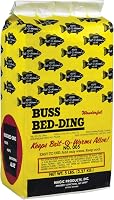
The Magic 102 Worm Bedding is a 25 lb carton of peat-based bedding with a ready-to-use moisture and pH balance. It's a bulk option for large bins or several smaller setups.
It's odor-free and low dust, and it's meant for red wigglers and nightcrawlers. Use it as the base bedding and mix in shredded paper for airflow.
Keep the carton dry until you open it.
What are the most common escape causes at a glance?
Wet bedding, poor airflow, heat, sour food, hunger, and crowding cover almost every case. Work through them in that order and you'll usually find the answer fast.
| Sign you notice | Likely cause | First fix |
|---|---|---|
| Worms on the lid after feeding | Wet or oversized food load | Stop feeding, add dry bedding |
| Sour or vinegar smell | Fermenting bedding | Stir, add carbon, pause feeding |
| Worms climbing in hot weather | Heat from sun or compost | Move to shade, spread food thin |
| Worms on the rim in a crowded bin | Overpopulation or spent bedding | Harvest castings, split the bin |
| Standing water at the bottom | Overwatering or poor drainage | Add dry material, check the drain |
Fix one row at a time. A bin that's wet and sour and crowded needs the moisture fixed first, then a harvest, then a fresh feed.
The short version on why worms leave the bin
If you're asking why do worms escape a worm bin, start with moisture and airflow, then check temperature, food, and crowding. Most escapes end when the bedding is wrung-out damp, the cover breathes, and the bin isn't overfed.
Return live worms to the bin, fix one cause at a time, and give the bin a few days to settle. A jute cover and a flow-through bag help hold the conditions steady.
For the next steps, read how to start a worm bin and how to maintain a worm bin so the routine keeps worms where they belong.
Frequently asked questions
Is it normal for a few worms to be on the lid?
A few worms near the lid or rim are normal, especially after feeding or when the bin is warm. Large numbers pressed into the lid, crawling up the walls, or drying out on the floor mean the bedding needs attention.
Act when the wandering is a crowd, not when it's a handful.
Do worms escape more at night?
Many worms climb when the bin is dark and the lid is tight, so escapes often show up in the morning. Light and air movement near the lid help keep them down.
A breathable cover plus settled bedding is usually enough to stop the nightly climb.
Can worms escape from a bin without a lid?
Yes. Red wigglers can climb smooth walls and will leave an open bin when bedding is poor or food is short.
A loose lid or a jute cover keeps them in without sealing the bin.
Fresh air still needs to reach the bedding, so use a breathable cover, not a tight seal.
How long does it take for worms to settle after a fix?
Give a corrected bin 2 to 4 days to settle. Worms already on the move may take longer to find the new moisture level.
Check each day, remove worms from the rim or floor, and change only one thing at a time so you can tell what worked.
Should I put escaped worms back in the bin?
Yes, if they still look plump and moist. Pick them up gently and return them to the bedding.
Dry, shriveled worms are dead and should be thrown away.
A worm found far from the bin usually dried out before you found it.